Proven Leadership. Fiscal Responsibility. Stronger Communities. Leadership Should Be About What Holds – Not What Looks Good.
Phil Solinger
4057401287
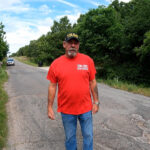
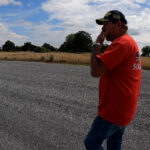
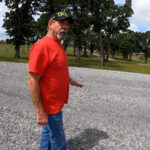
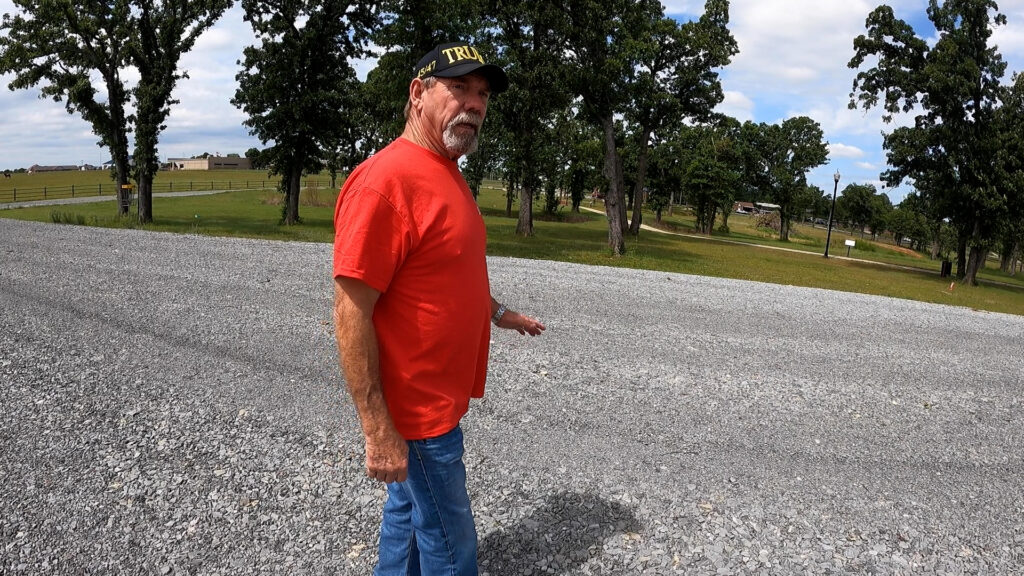
I’ve spent my life building things that have to hold. Not for a week. Not until the next election. But for years — sometimes decades. If a road fails, people notice. If a bridge fails, people pay. And if leadership fails, an entire county feels it. That’s why I’m running for Pottawatomie County Commissioner.
Why I’m Running
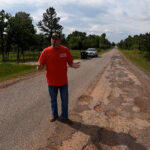
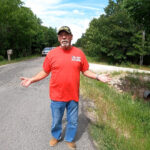
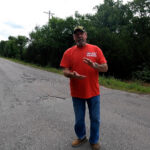
I’m running to bring steady, accountable leadership to Pottawatomie County. Not headlines — results. Not promises – plans. For too long, the county government has reacted instead of prepared. Our rural roads, bridges, and budgets deserve stewardship that works the first time, every time. As a Navy veteran, law enforcement officer, and local elected official, I’ve always built systems that must hold. I’m running to apply that same discipline to county government — planning ahead, protecting taxpayer dollars, and ensuring our communities are better tomorrow than they are today.
Public Service Is a Calling, Not a Career Move
I believe leadership is stewardship. Public office isn’t about visibility. It’s about durability. Throughout my career – in uniform, in law enforcement, in municipal government, and in private industry – I’ve tried to operate by one principle: Do the hard work. Do it right. Stand behind it. I’m not running for recognition. I’m running because Pottawatomie County deserves leadership that evaluates the ground, builds it right, and leaves things better than we found them.
Government Should Be Built on a Strong Foundation
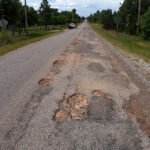
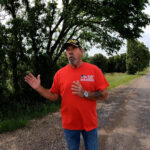
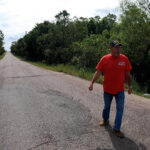
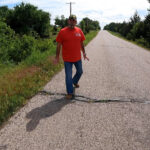
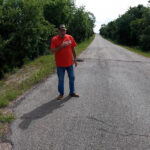
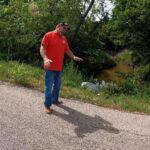
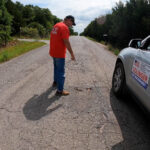
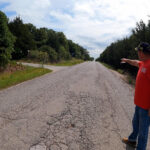
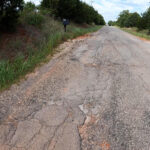
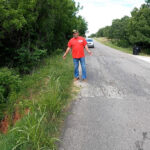
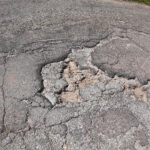
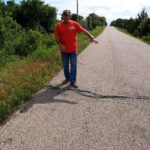
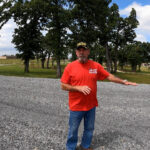
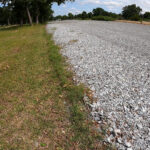
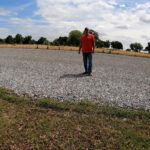
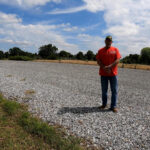
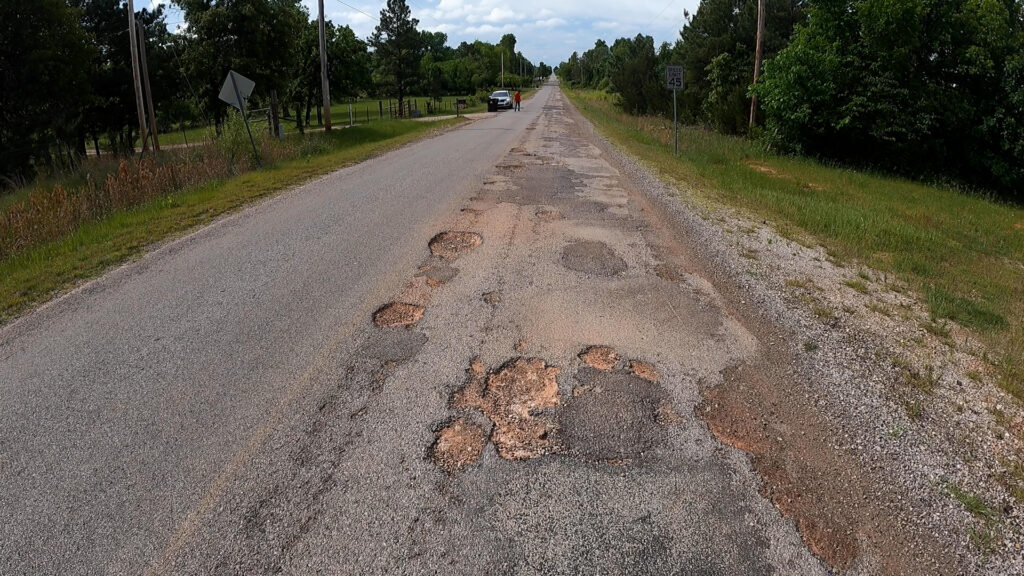
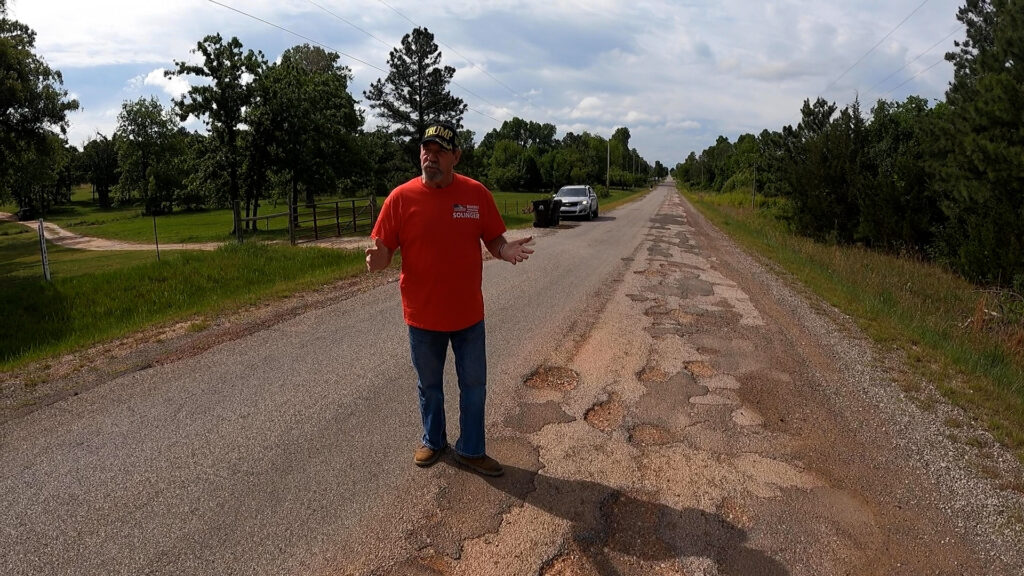
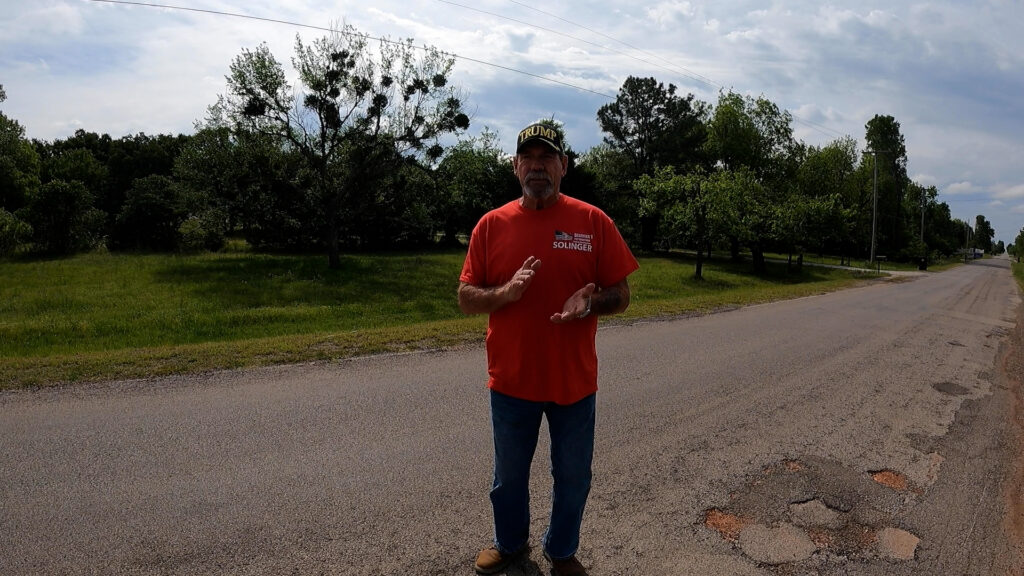
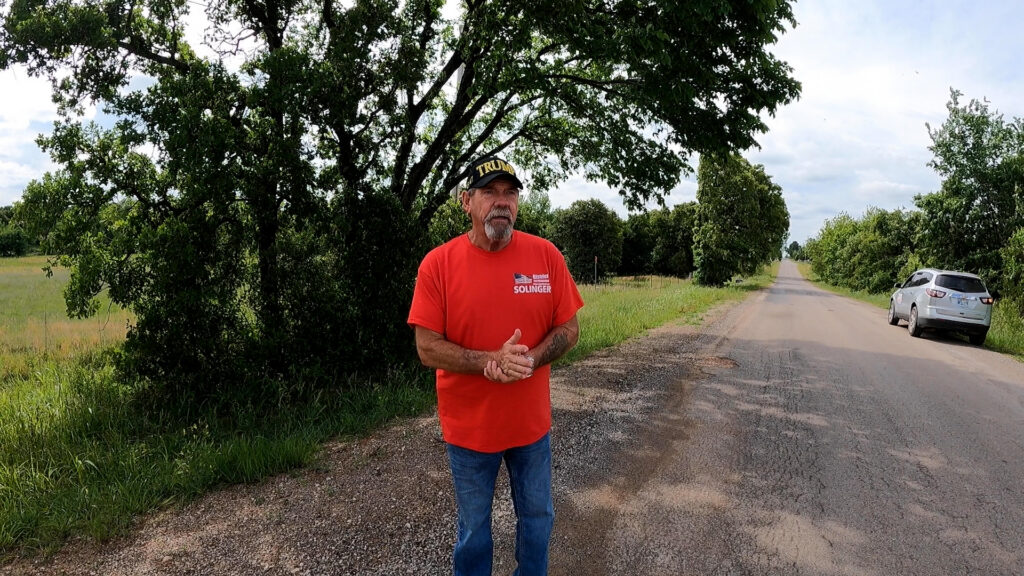
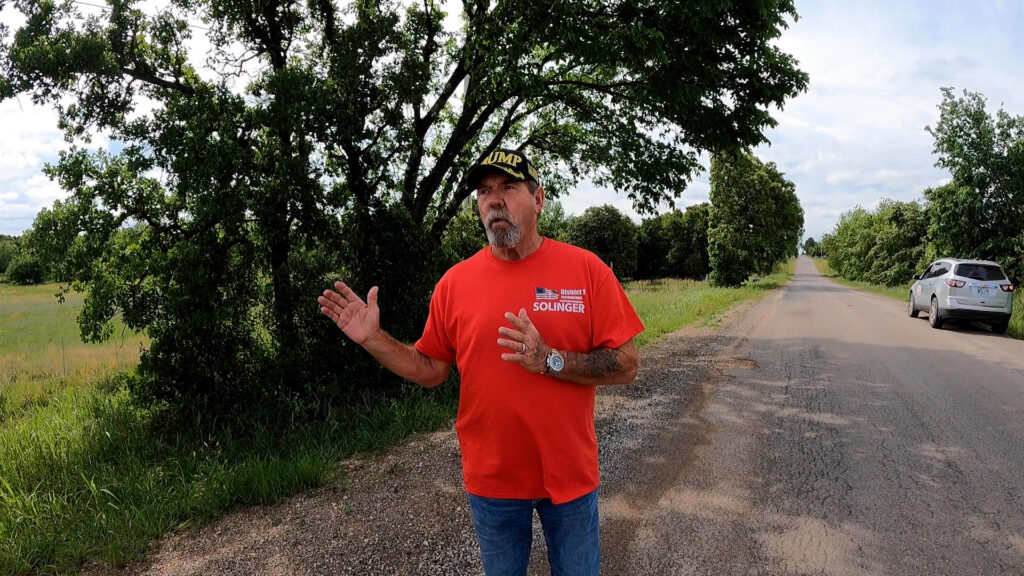
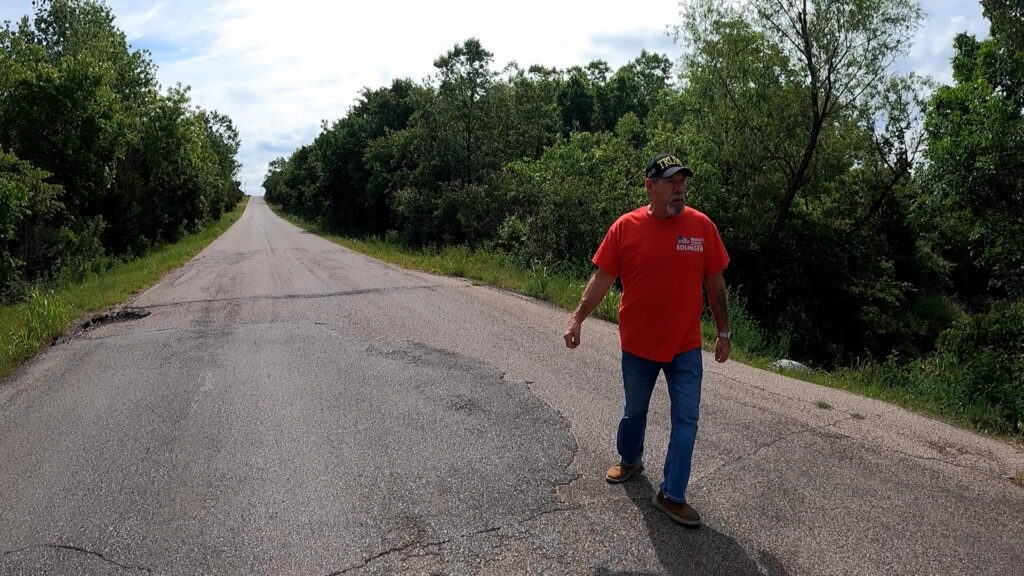
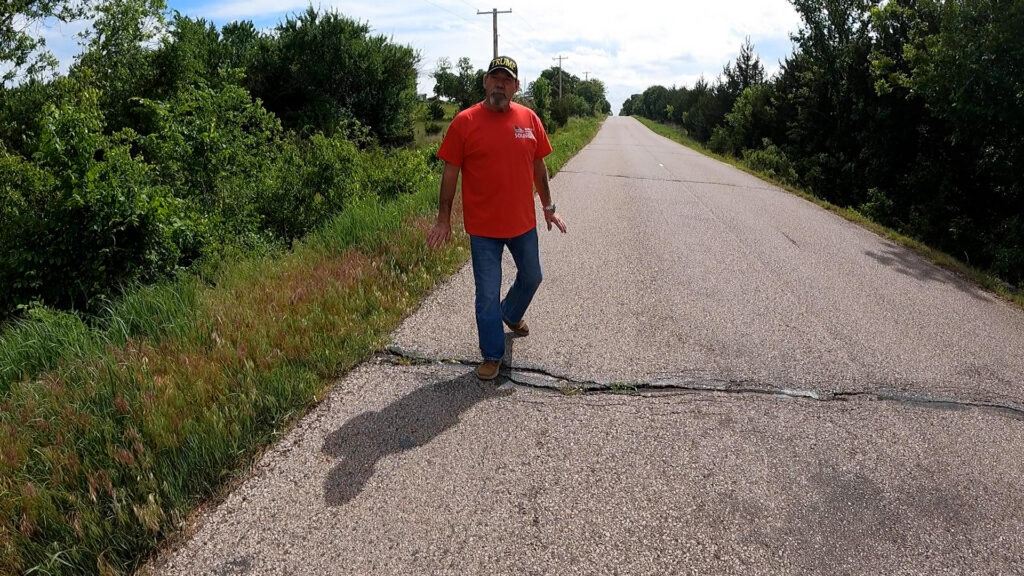
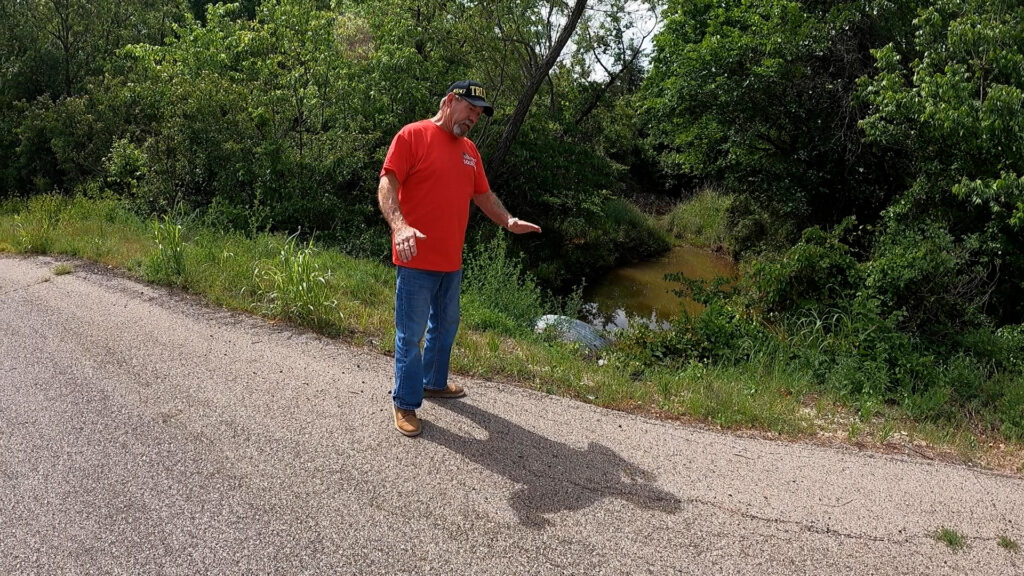
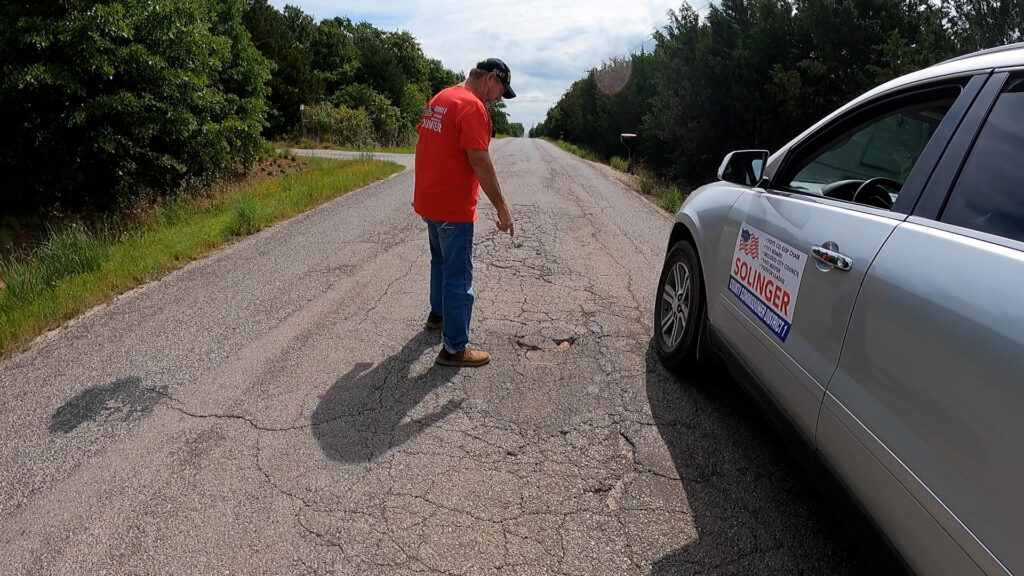
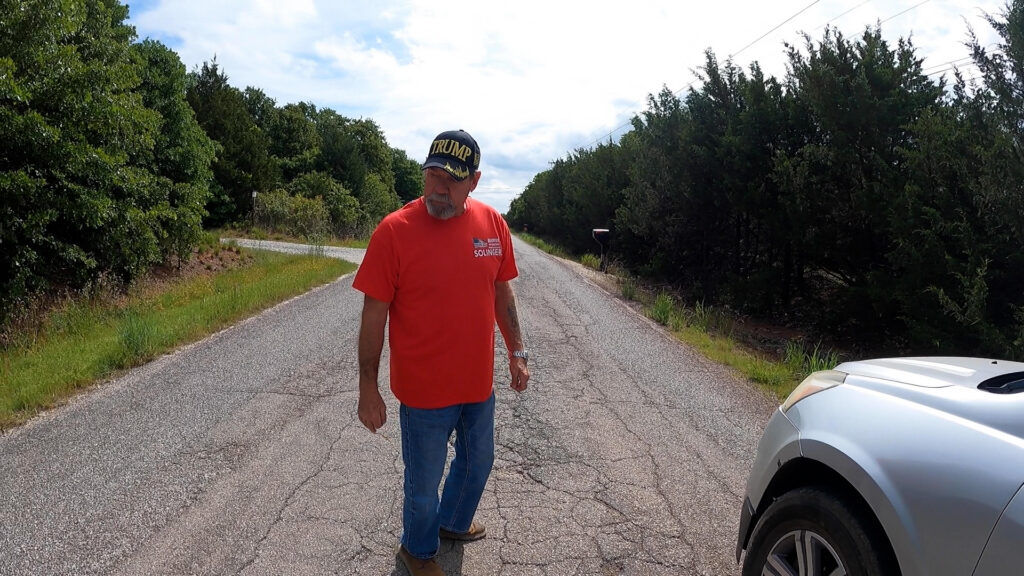
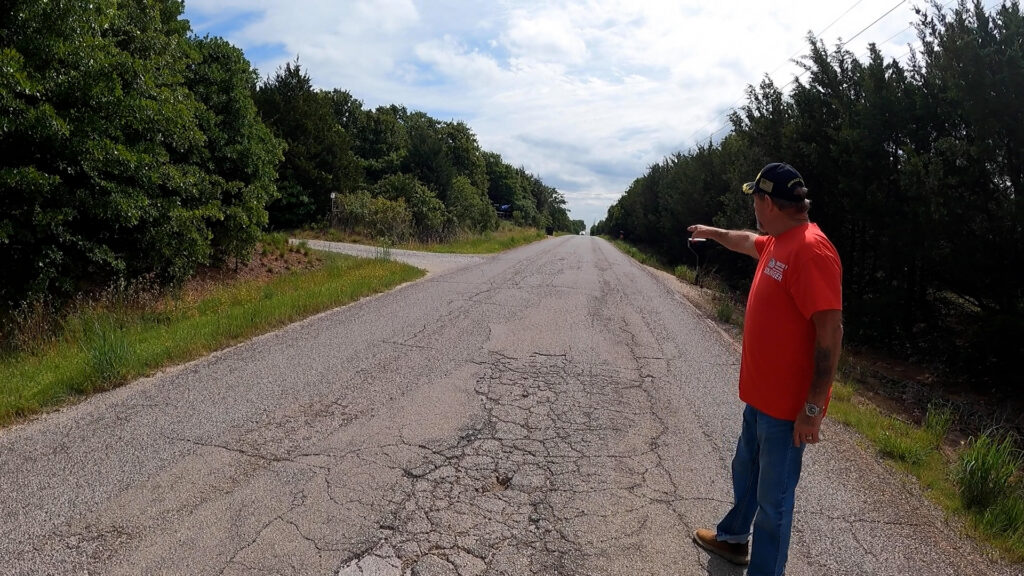
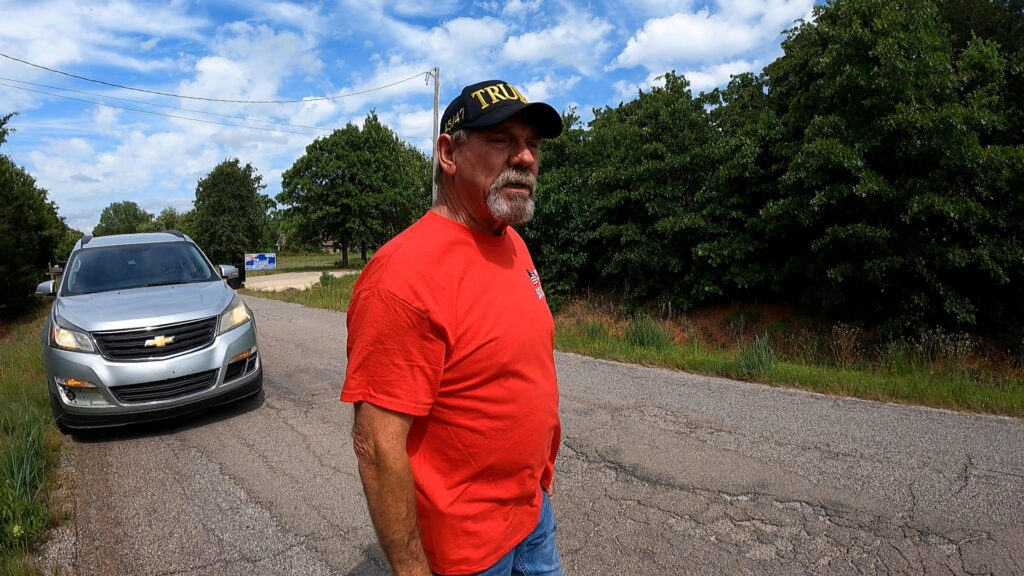
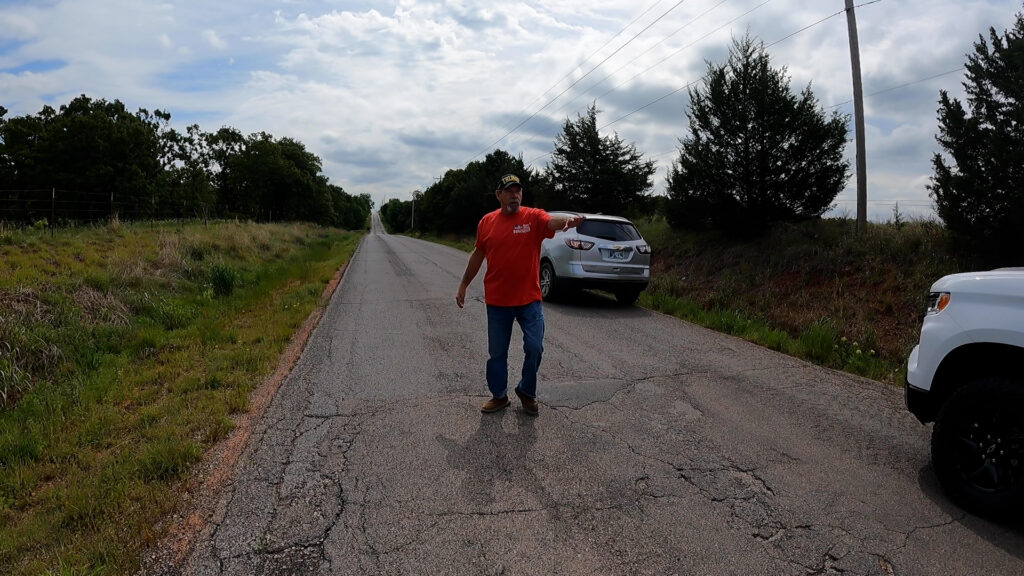
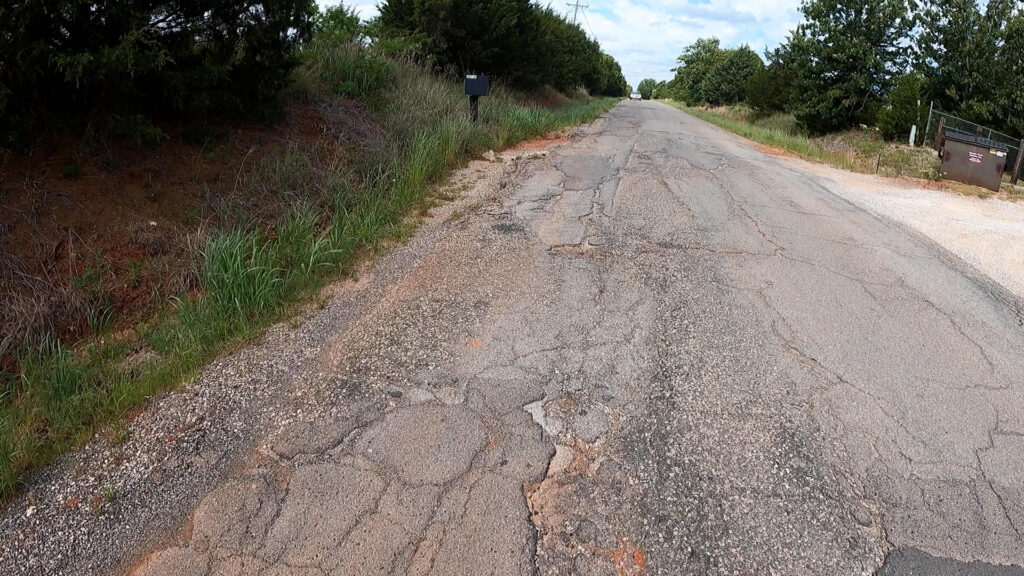
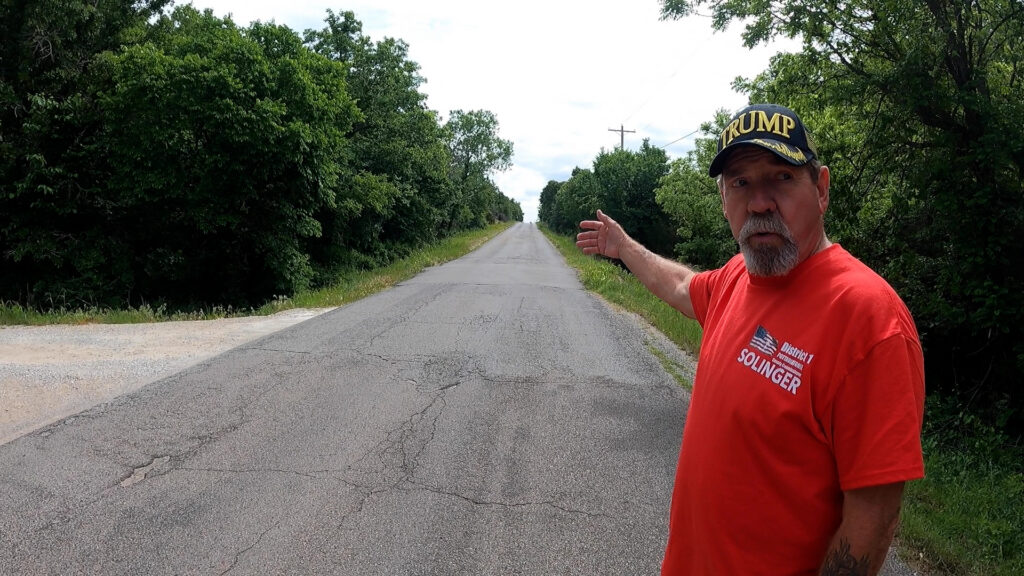
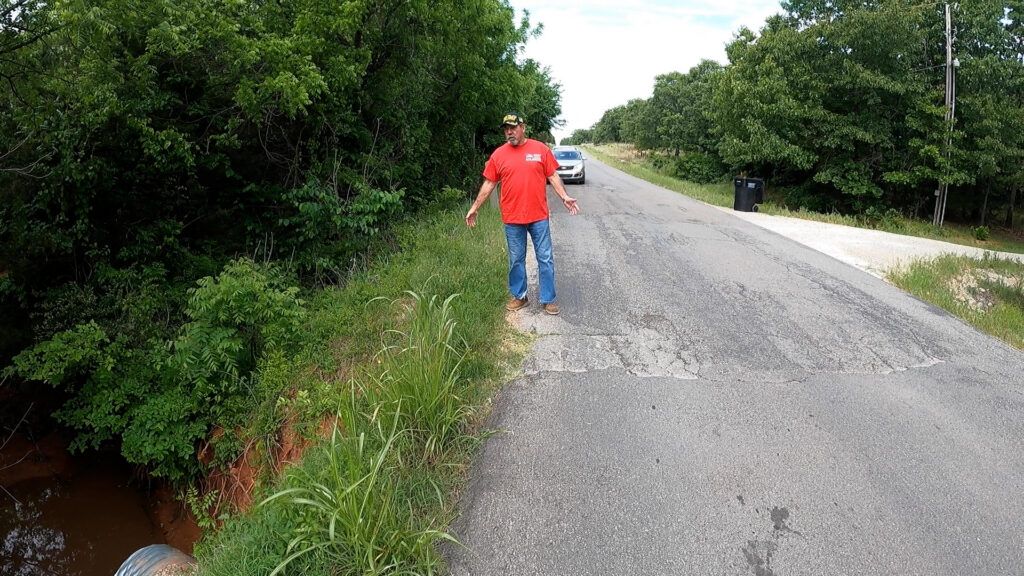
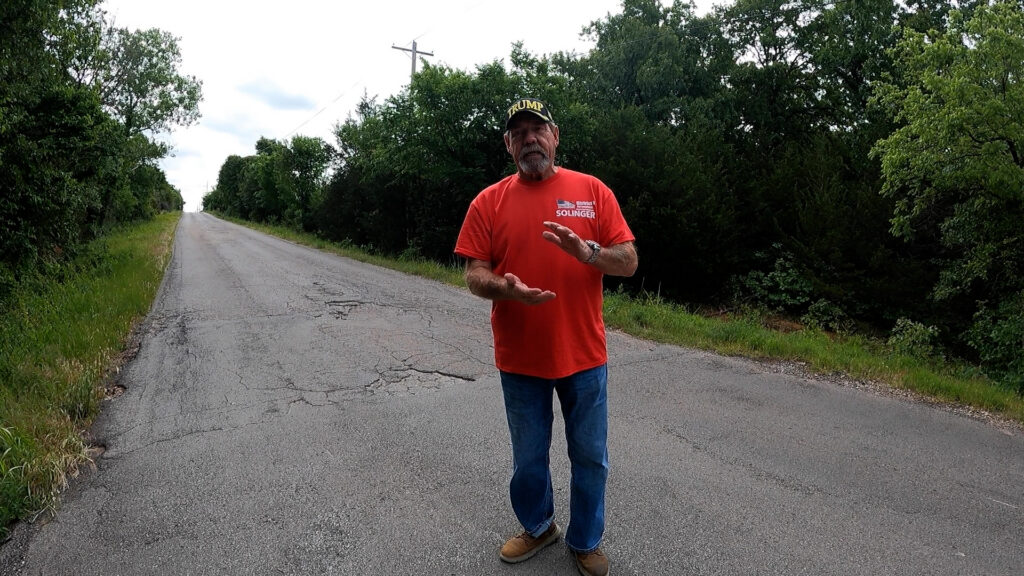
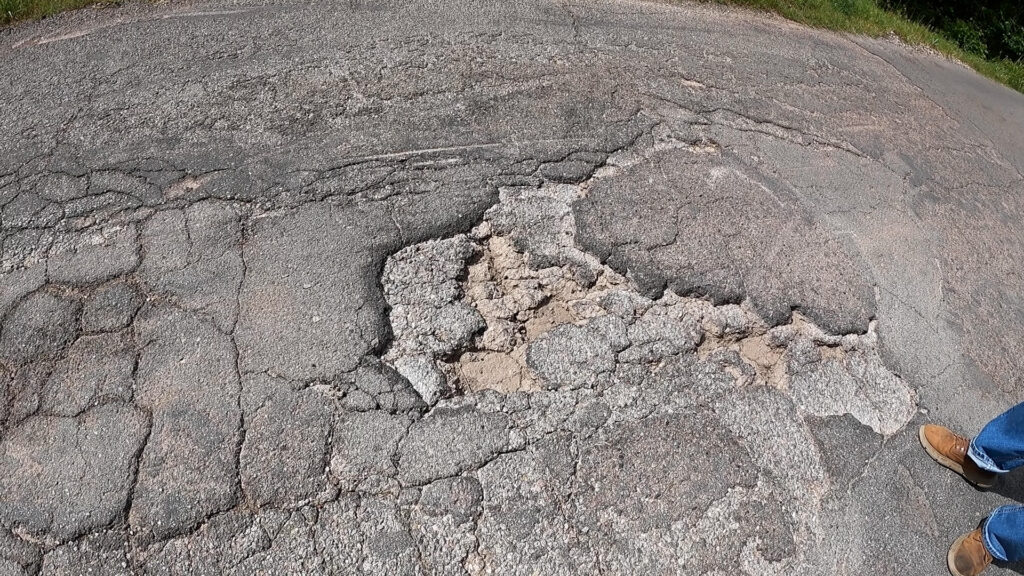
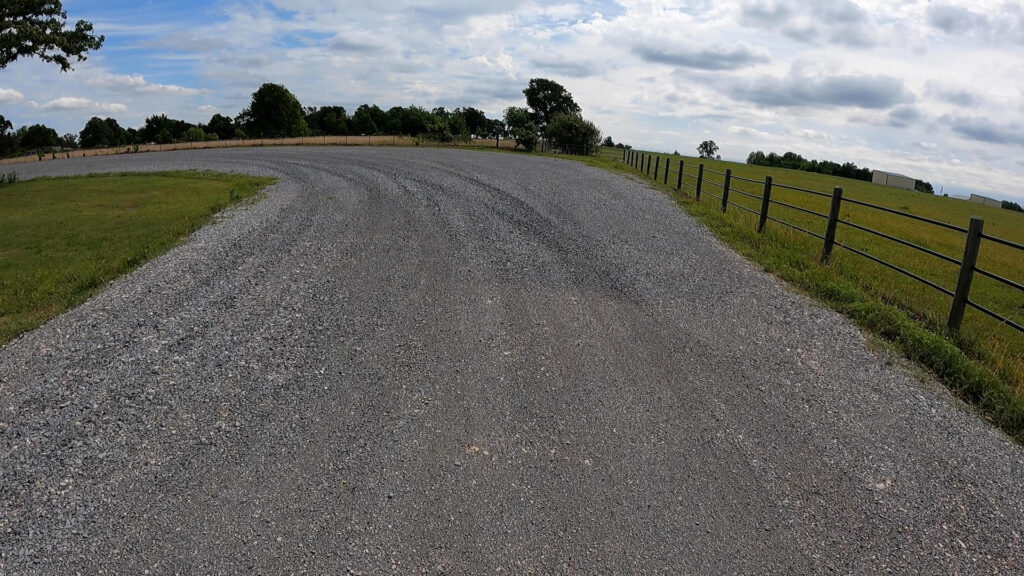
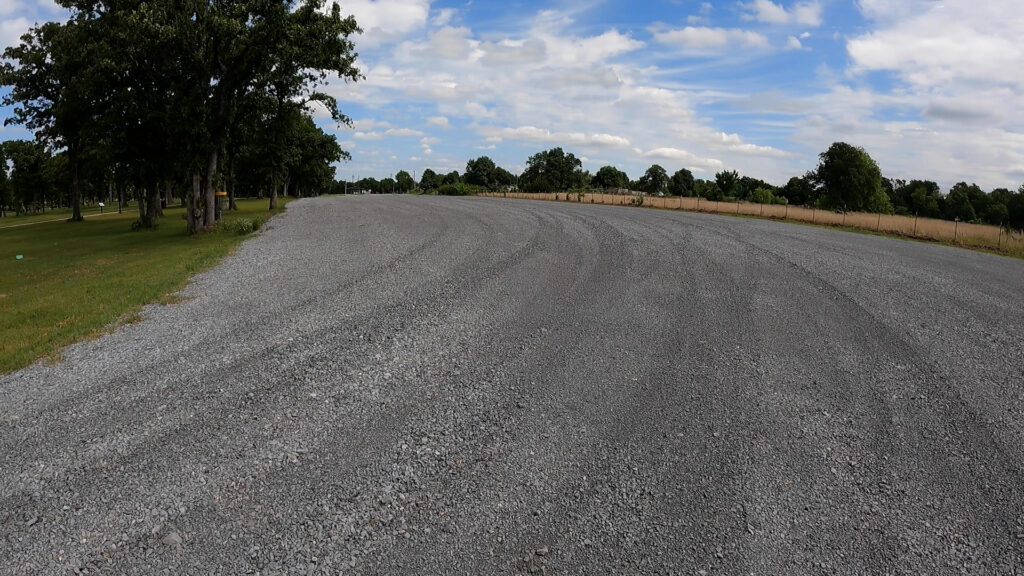
In construction, you don’t pour asphalt over weak ground and hope it lasts. If the base isn’t solid, the surface will crack — every time. The government is no different. When leadership is built on promises instead of plans… When budgets are reactive instead of preventive… When problems are patched instead of diagnosed… The cracks come back — and taxpayers pay twice. I’m running to bring a “meet spec or fail inspection” mindset to county government — because public service should operate under the same standards as infrastructure: it either holds, or it doesn’t.
Preventive Maintenance Is Cheaper Than Emergency Repair
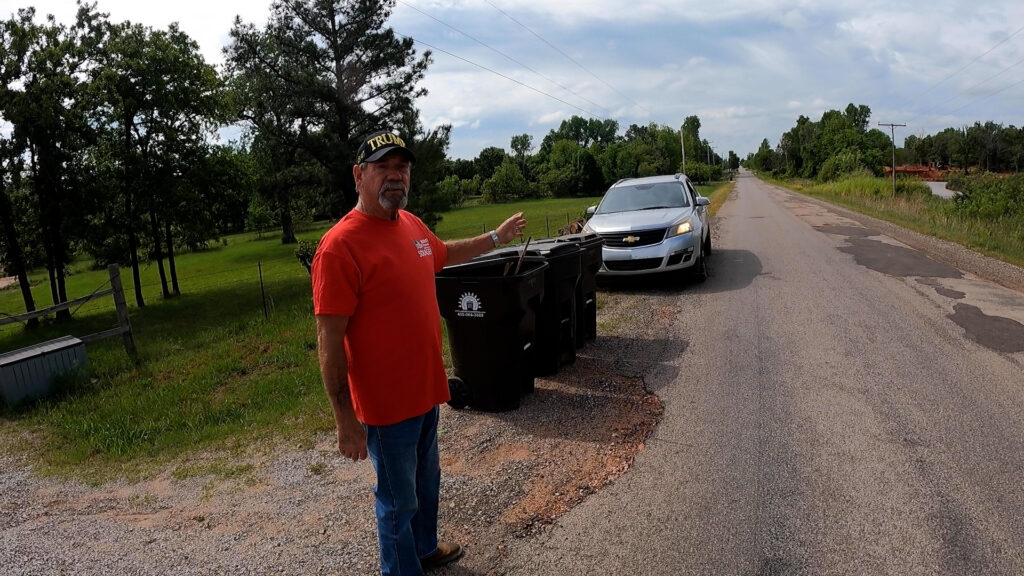
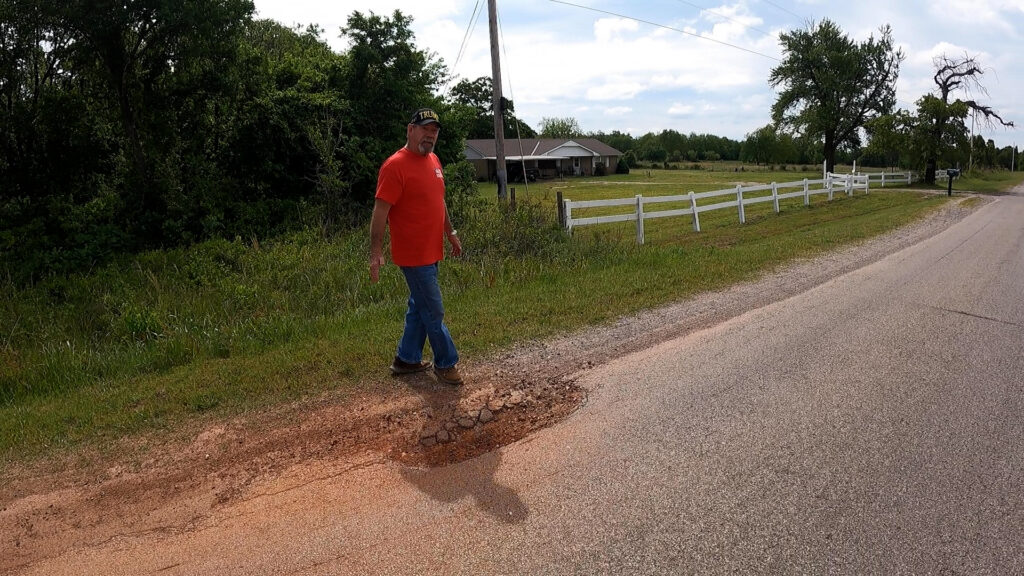
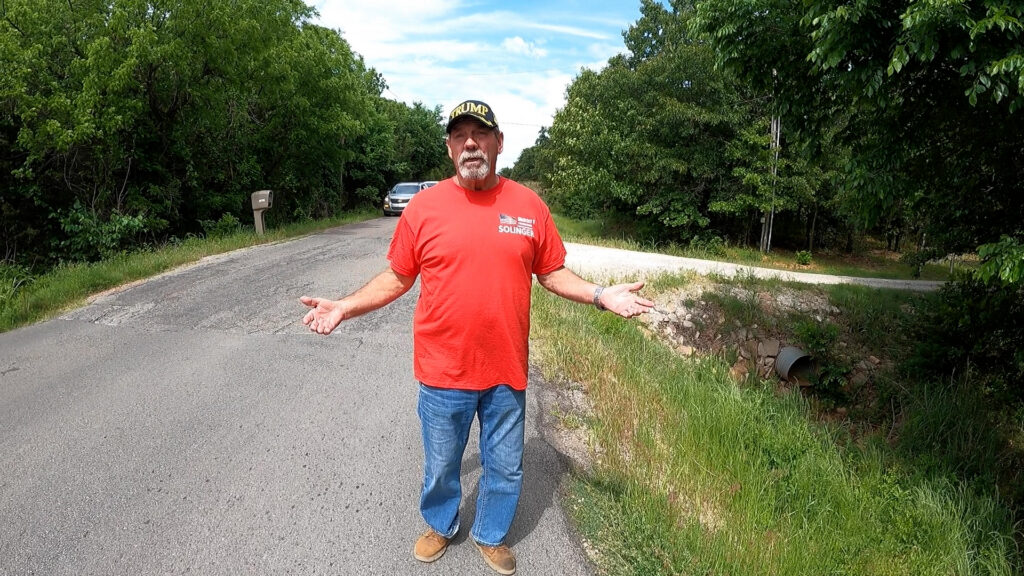
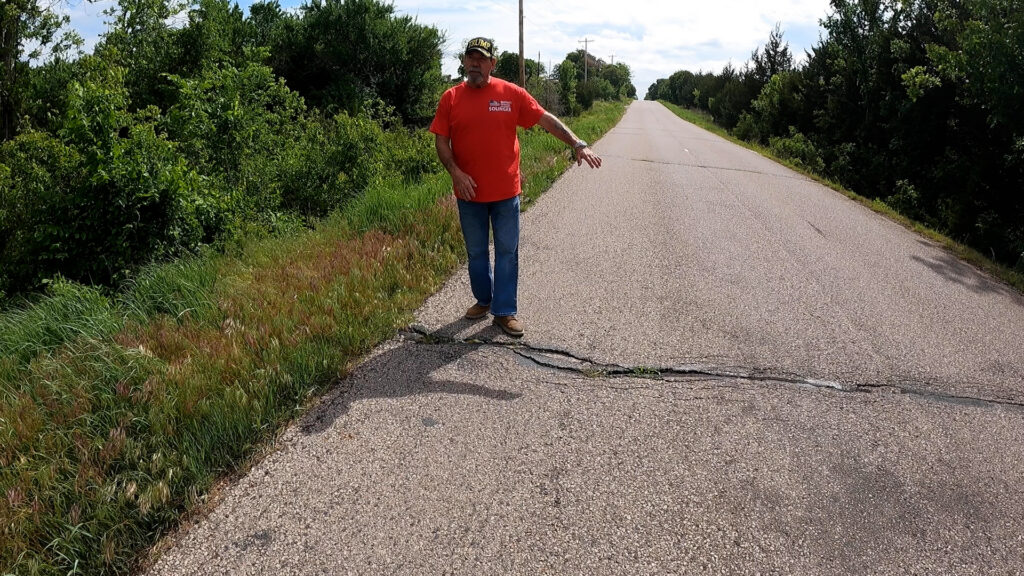
In construction, small cracks fixed early prevent total failure later. That principle applies to: Roads and bridges, county equipment, drainage systems, budgets and public trust. Ignoring small issues until they become crises costs more – financially and structurally. I believe in: Clear budgets, cost controls, accountability metrics and long-term planning over short-term optics. Taxpayers deserve leadership that plans ahead – not patch jobs timed for election season.
Experience Matters
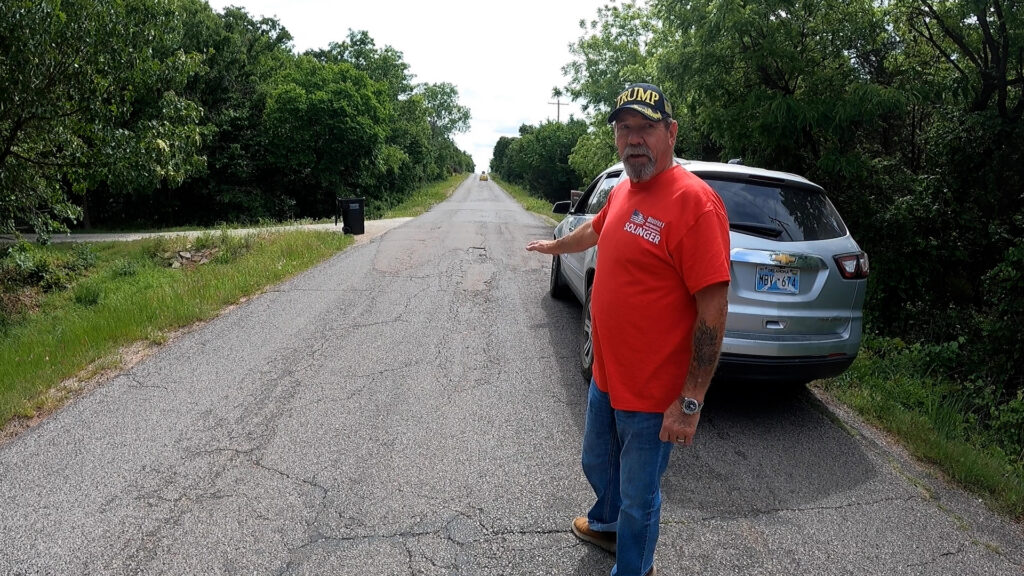
I’m not running to learn the job. I’ve served as: A United States Navy Seabee — building under pressure, where durability mattered. A law enforcement officer and reserve deputy — where preparation and accountability are non-negotiable. A member of the Pottawatomie County 911 Board — where systems must work every time. Mayor and City Councilman in McLoud — governing inside District 1, dealing directly with the same roads, bridges, growth pressures, and budgets that affect county residents. In every role, I’ve been entrusted with responsibility — people, equipment, budgets, and public trust. The county government oversees over 1,180 miles of road and approximately 1,360 bridges and drainage structures. That’s not political theater. That’s infrastructure that farmers, families, school buses, and first responders depend on every single day. This isn’t a theory for me. It’s practical stewardship.
Agriculture and Rural Infrastructure Deserve Competent Stewardship
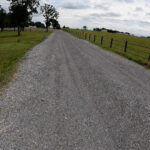
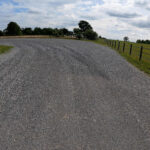
I’m not running to learn the job. I’ve served as: A United States Navy Seabee — building under pressure, where durability mattered. A law enforcement officer and reserve deputy — where preparation and accountability are non-negotiable. A member of the Pottawatomie County 911 Board — where systems must work every time. Mayor and City Councilman in McLoud — governing inside District District 1 includes: 1,553 farms, nearly 292,000 acres of farmland and generational families operating on thin margins. When a rural bridge is weight-restricted, that’s not an inconvenience – it’s financial impact. When drainage fails, equipment suffers. When roads deteriorate, operational costs rise. Farmers aren’t asking for special treatment. They’re asking for leadership that understands maintenance schedules, long-term planning, and fiscal discipline. I believe the county government should prioritize: Reliable rural roads, bridge capacity that supports real-world equipment loads, transparent budgeting, preventive maintenance planning with fair and responsible tax stewardship.